

Weekly Index No. 041
On matter, making, and the particular pleasure of things you can touch.

OPENING FRAME
Something is shifting in the design conversation, and Milan is where you feel it most clearly. Not a trend cycle — something slower than that. The digital world has been generating images of objects faster than anyone can make them, and a counter-pressure is building: a hunger for the material, the tactile, the irreversible mark of a hand. Two institutions opened this week on opposite sides of Europe, and both arrived independently at the same question. What does it mean to make something?
SIGNAL OF THE WEEK
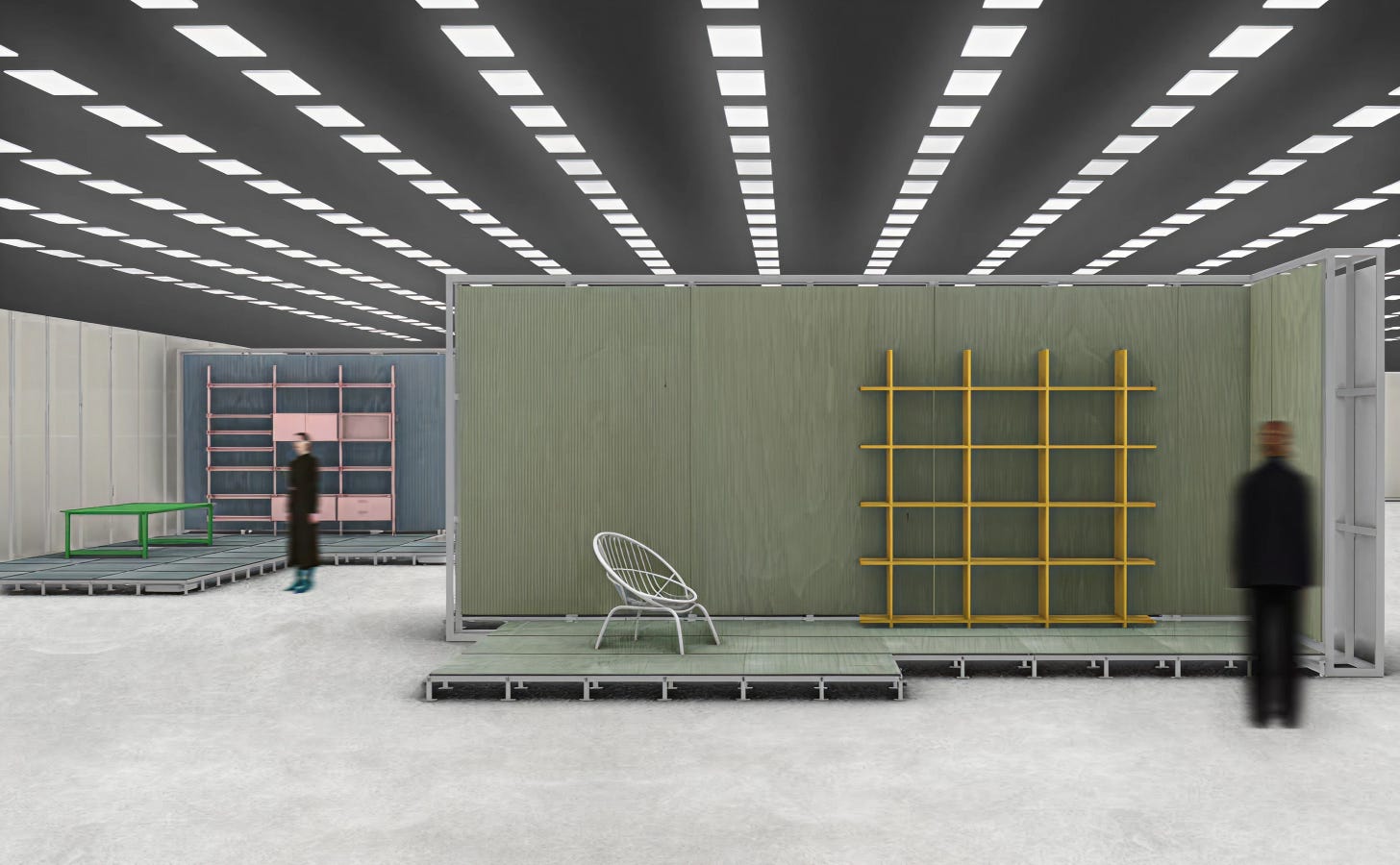
Milan Asks What Matters
Milan, Italy — The 64th edition of Salone del Mobile opened this week under the theme A Matter of Salone — the most philosophically direct brief the fair has set itself in years. Where 2025 asked what design does for people, 2026 asks what design begins with: matter understood not only as physical substance but as memory, origin, and latent potential. The campaign imagery — stone, petal, wood, sponge — was shot not as finished product but as raw material mid-transformation. Meanwhile, in London, V&A East opened on 18 April in its O'Donnell + Tuomey-designed building in Stratford, with permanent galleries called Why We Make and an inaugural exhibition tracing 125 years of Black British music as a making culture. Two institutions, two cities, one question. At a moment when AI can generate the image of almost any object in seconds, what the design world is asking — loudly, in Milan, and quietly, in east London — is what gets lost when the hand is removed from the process.
OBJECT OF NOTE
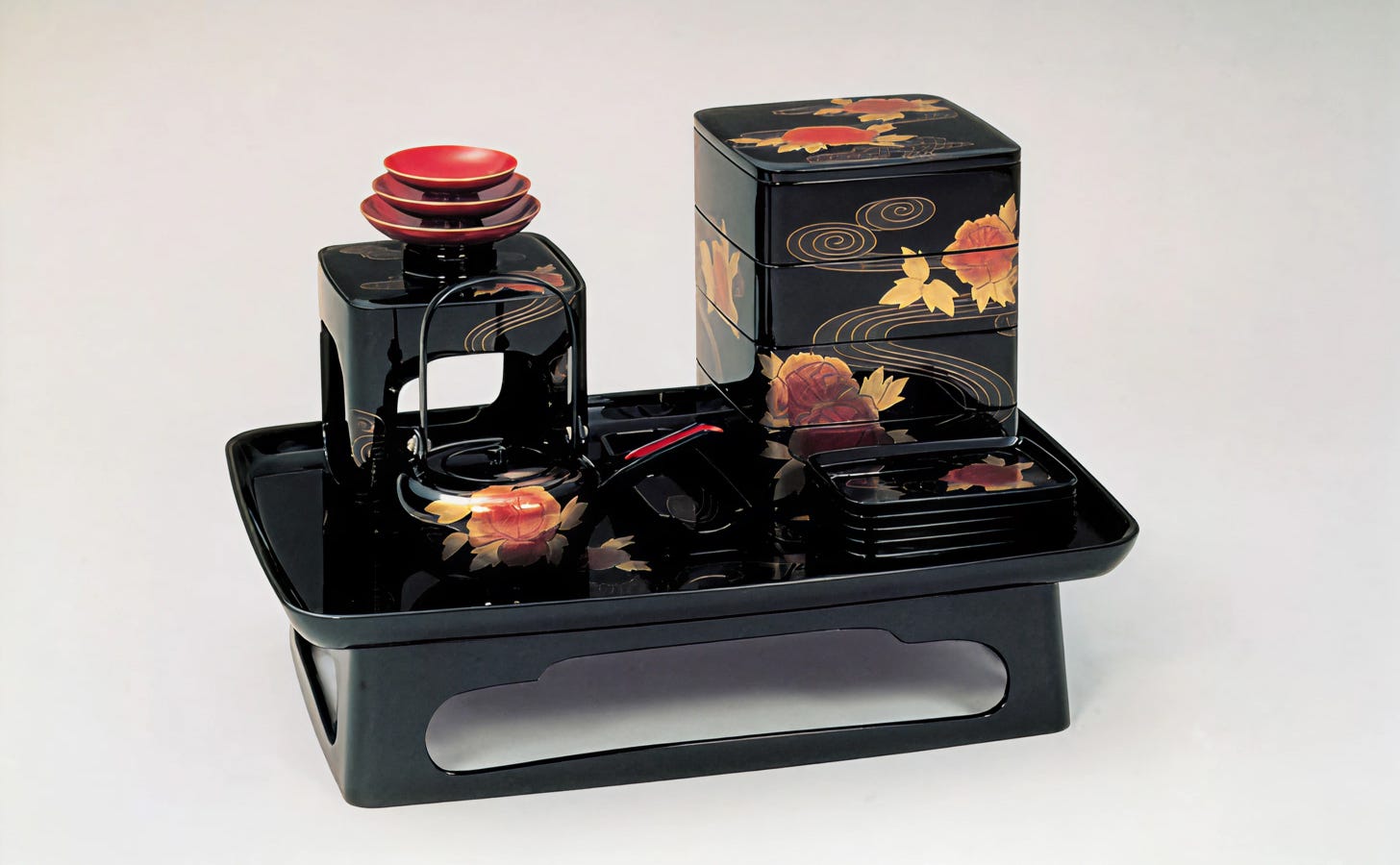
The Bowl That Survived
Wajima-nuri is the lacquerware tradition of Wajima, a coastal city on Japan's Noto Peninsula, produced there for nearly 400 years through a community division of labour in which each artisan specialises in one or two of the 140 production steps required to complete a single piece. The January 2024 earthquake devastated the city — workshops destroyed, artisans displaced, the Asaichi Street market reduced to ash. What was found in the rubble told its own story: families had kept formal lacquerware sets for generations, stored in hand-labelled wooden boxes, brought out for weddings and funerals. The objects outlasted the buildings. Reconstruction is ongoing in 2026; temporary workshops are operational and artisans like Kodai Taya are rebuilding from the ground up. Buying Wajima-nuri now — from Taya Shikki or through dedicated stockists — is one of the more direct ways to register that this tradition is worth continuing. The pieces are expensive and slow to make. Both of those things are the point.
TECH FORWARD
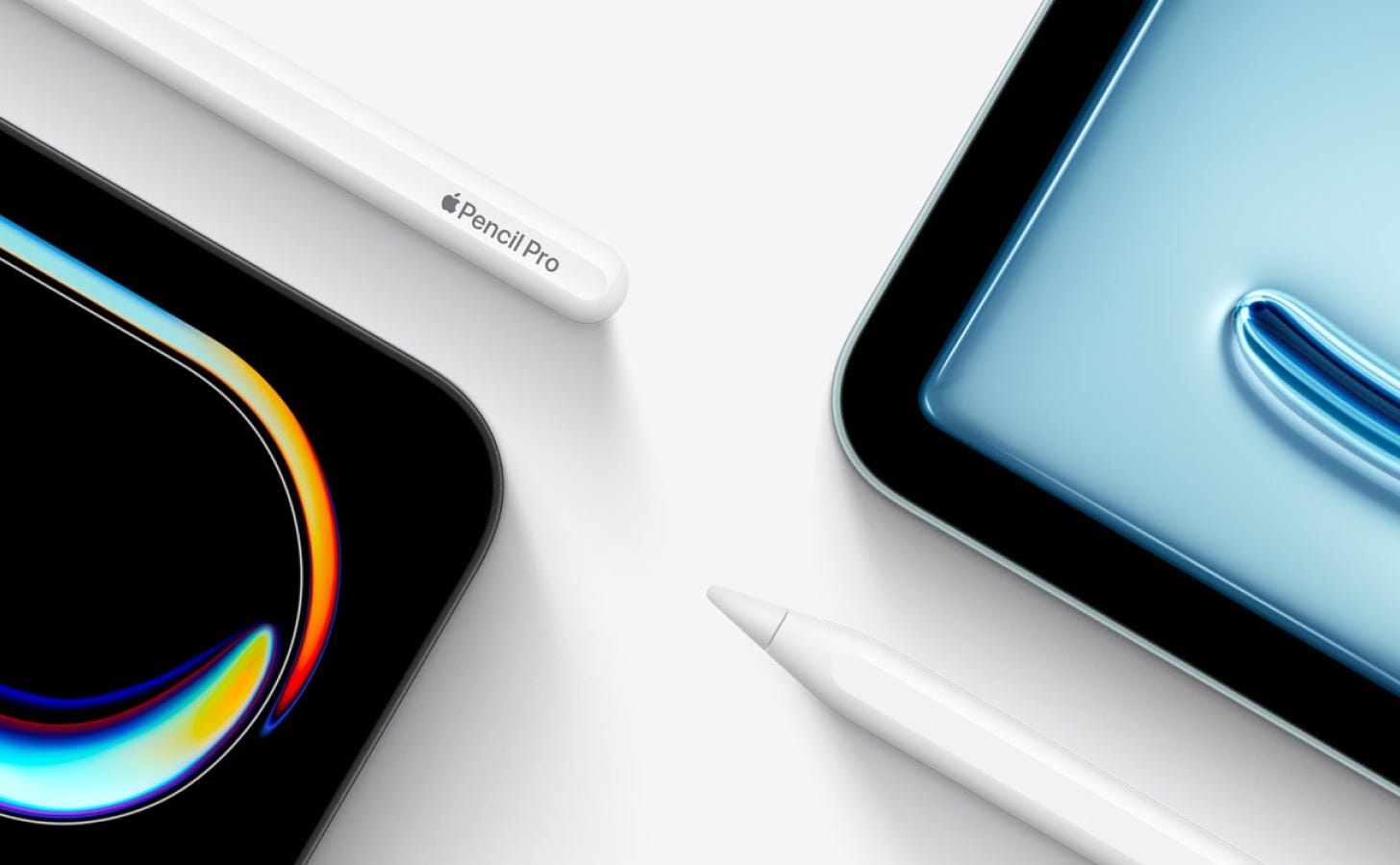
The Machine That Knows Its Limits
The Apple Pencil Pro is not a new product, but its cultural moment has arrived in an unexpected way: as Milan argues the case for material intelligence and V&A East opens galleries dedicated to why humans make things by hand, the design tool that most closely mirrors the experience of drawing — with haptic feedback, barrel roll sensitivity, and a squeeze gesture that feels physical rather than digital — is having a quiet renaissance among architects, illustrators, and product designers who use it specifically to slow their process down. The argument is not that digital is bad. It's that the hand thinks differently from the keyboard, that the hesitation of a drawn line carries information that a typed command does not, and that the tools which best understand this are the ones designed to disappear. The Pencil Pro is, in the end, a stick. That is what makes it work.
LIVING WELL
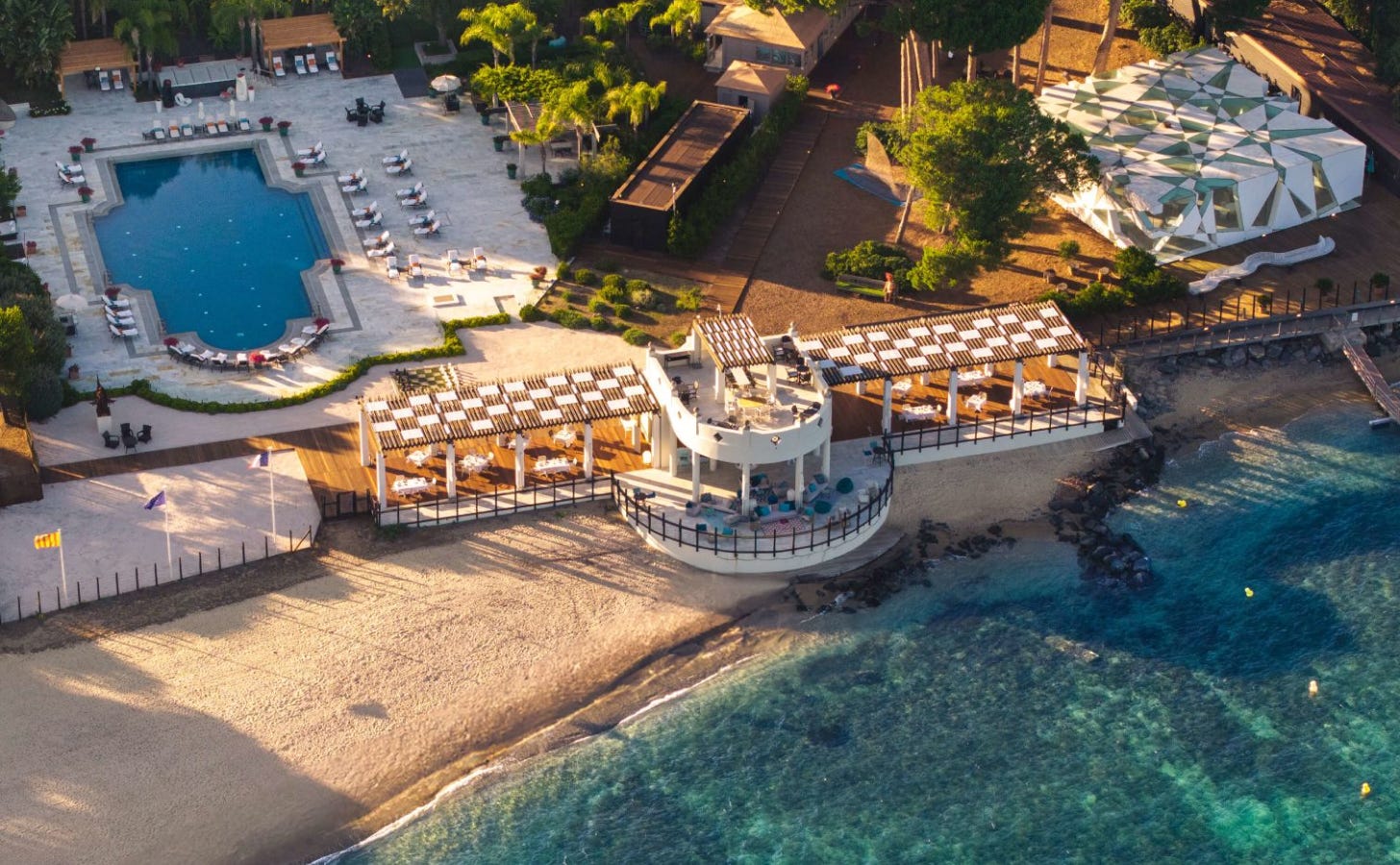
The Belle Époque Returns
COMO Le Beauvallon opened on 24 April on the northern shore of the Gulf of Saint-Tropez, eight minutes by speedboat from the village, on a 10-acre estate that first welcomed guests in 1914 and has counted F. Scott Fitzgerald, Winston Churchill, and Audrey Hepburn among its regulars. The hotel closed in 2008 for restoration, operated for years as a private estate, and now reopens under COMO Hotels with 42 rooms and suites, a restaurant by Yannick Alléno, and something unexpected: the Serpentine Gallery Summer Pavilion designed by Pritzker Prize-winning architect Toyo Ito in 2002, relocated piece by piece to the estate grounds and set against the sea. The effect, apparently, is of a structure suspended between water, light, and sky. The opposite shore is Saint-Tropez. The best way to arrive is by boat.
QUOTE OF THE WEEK
“The hand is the tool of tools.”
— Aristotle, De Anima
CLOSING
Until next Sunday—Notice more.