

Weekly Index No. 040
On the long game, things built across generations, and the particular satisfaction of finishing what someone else started.

OPENING FRAME
In February, a 17-metre cross was hoisted into position above Barcelona and the world's most famous unfinished building became, structurally at least, finished. The cross weighs 12 tonnes per arm. It took 144 years to earn its place. Patience, in architecture and in craft and in life, is not a passive thing — it is a continuous act of commitment across time. This week is about the things that only arrive when they're ready.
SIGNAL OF THE WEEK
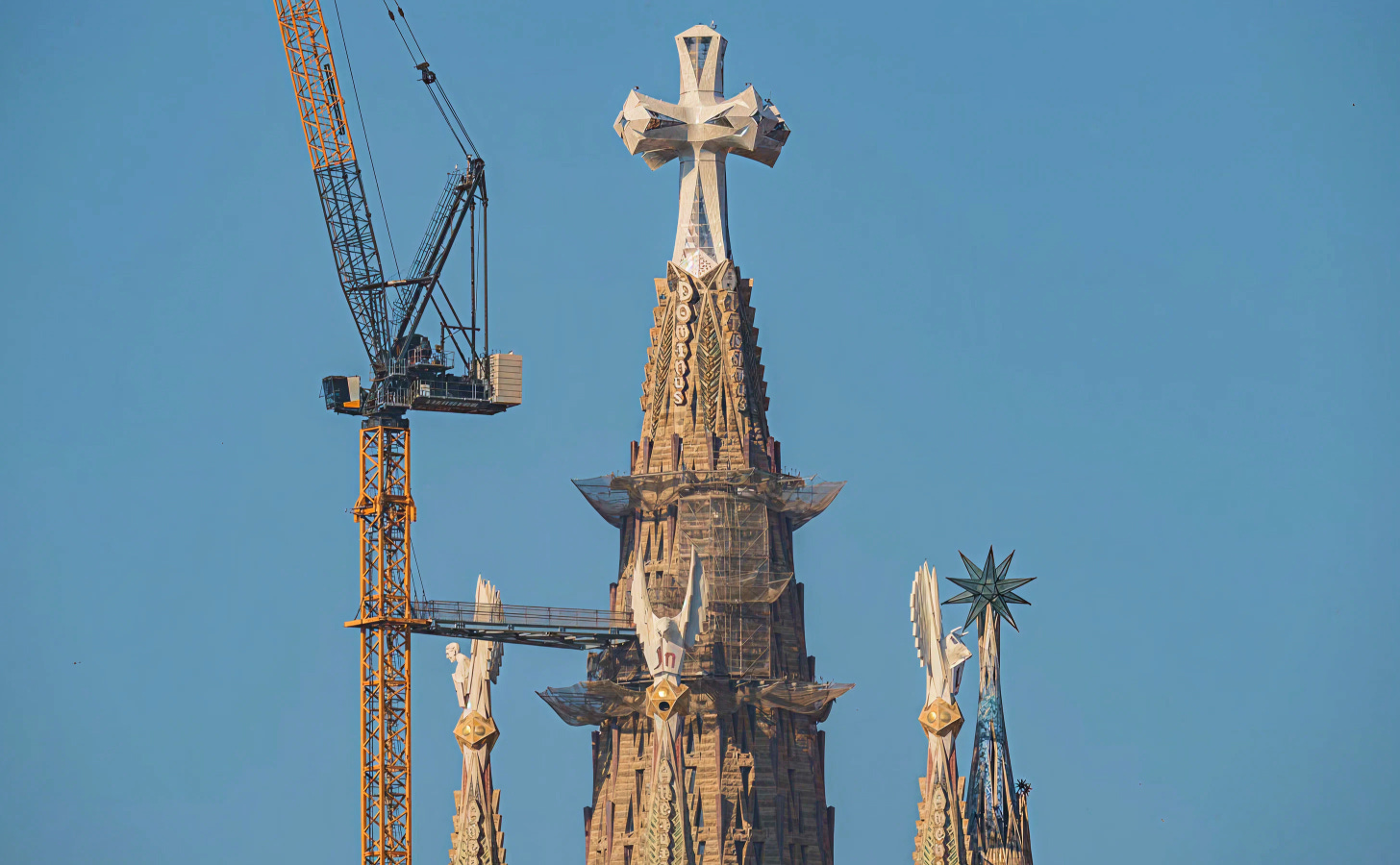
Barcelona Finally Has Its Skyline
Barcelona, Spain — On 20 February 2026, workers installed the upper arm of the cross atop the Tower of Jesus Christ at the Sagrada Família, completing the central spire at 172.5 metres and making it the tallest church in the world. Construction began in 1882. Gaudí died in 1926 having seen only one tower completed. This year is the centenary of his death, and Barcelona is also designated UNESCO World Capital of Architecture for 2026 — a convergence that feels almost too neat to be coincidence. The tower's height was not arbitrary: Gaudí deliberately designed it to fall 5 metres short of Montjuïc hill, believing no human creation should surpass the work of God. A formal consecration ceremony is expected in June. Interior work on the spire will continue through 2027 and 2028, and the Glory Façade and its monumental staircase remain unfinished until around 2034. But the skyline, after 144 years, is finally what Gaudí imagined it would be.
OBJECT OF NOTE
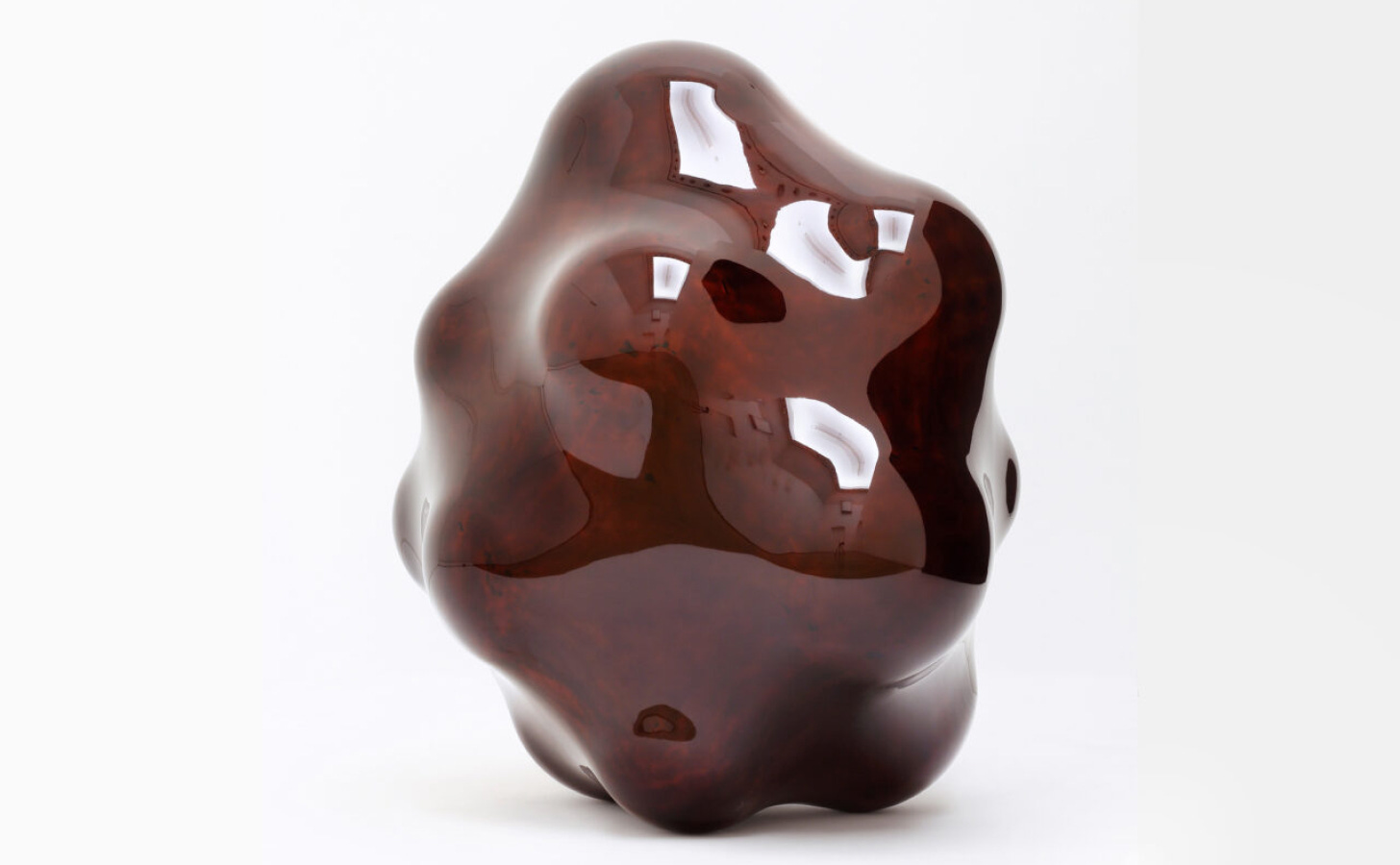
Ten Thousand Years of Patience
Urushi lacquerware is arguably the oldest continuous craft tradition in the world — examples have been found in Japan dating back to the Jōmon period, roughly 10,000 BCE. The process has not fundamentally changed: sap is tapped from the urushi tree, which yields less than a single cup per year before being felled; it is then applied in thin layers to a wooden form, each coat cured in a humid chamber and polished before the next is added. A serious piece may involve thirty or more layers and take months. The result is a surface that is simultaneously hard enough to withstand acids and alkalis and soft enough to feel, against the lip of a bowl, almost like skin. Contemporary artists like Genta Ishizuka, who won the Loewe Foundation Craft Prize in 2019, are pushing the form into new territory — Ishizuka wraps hemp linen over wire frames and builds up dozens of urushi coats by hand — while the tradition's foundational logic remains intact. Unlike almost any other object you can own, a well-made urushi piece does not degrade with use. It deepens.
TECH FORWARD

The Battery That Was Always Five Years Away
The solid-state battery has been the perpetual promise of the energy industry for the better part of two decades — safer, denser, faster-charging than lithium-ion, and always arriving just beyond the horizon. At CES 2026, Finnish startup Donut Lab claimed the horizon: its all-solid-state battery, with an energy density approaching 400 Wh/kg and a claimed full recharge in under ten minutes, began shipping in the first quarter of this year inside Verge Motorcycles' TS Pro and TS Ultra models — marking the first production vehicles to carry the technology on public roads. Scepticism is appropriate; independent validation is still pending, and mass-market automotive deployment remains years away. But the meaningful shift in 2026 is not a single product — it is the transition of the entire category from lab curiosity to engineered object. China is finalising its first solid-state battery standard in July. European manufacturers are scaling electrolyte production. The battery that was always five years away has stopped moving.
LIVING WELL
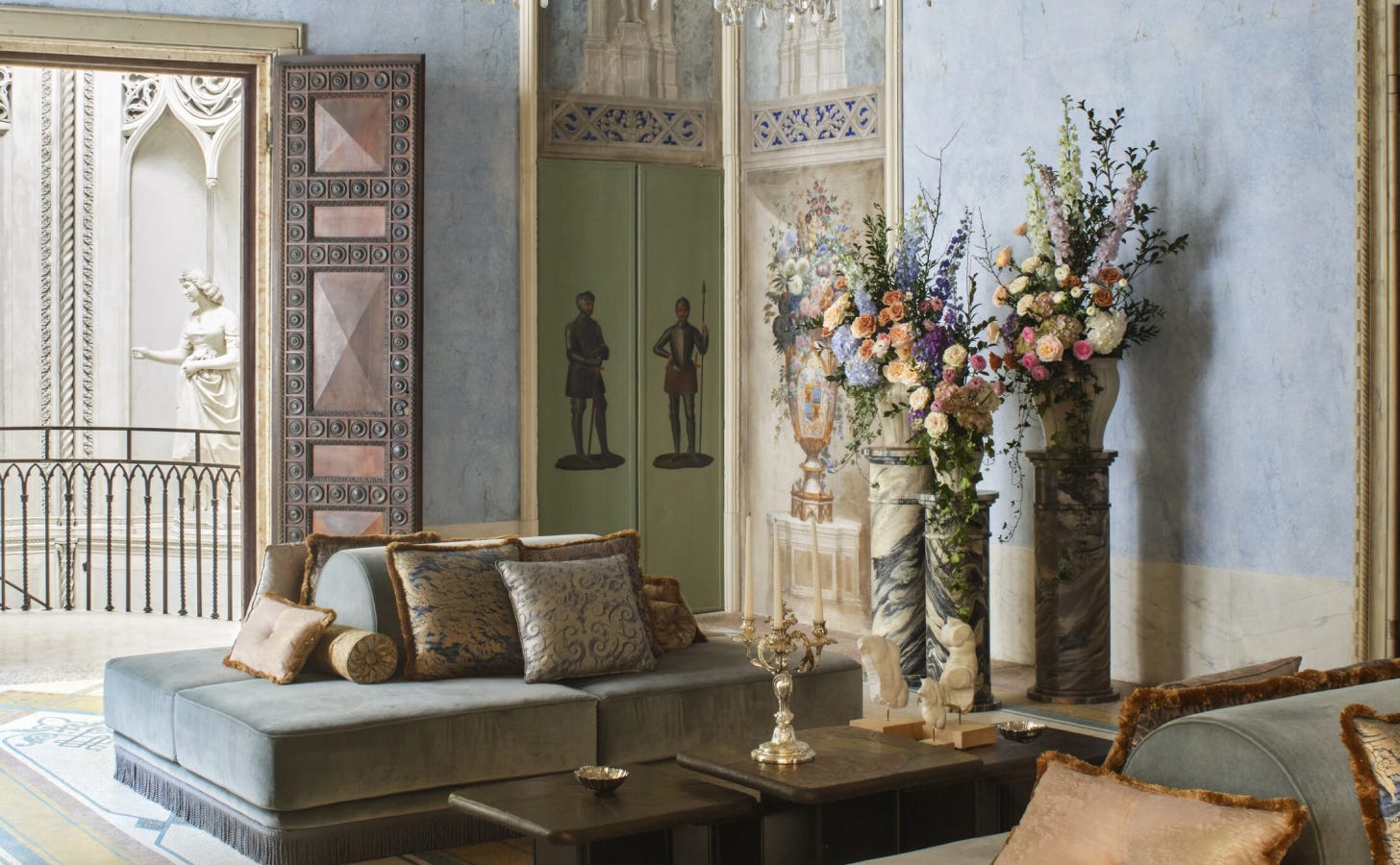
Eight Years for Forty-Seven Rooms
The Orient Express Venezia at Palazzo Donà Giovannelli opened on 30 March, inside a 15th-century palace in Venice's Cannaregio district that had never before operated as a hotel. The eight-year restoration, led by Paris-based architect Aline Asmar d'Amman, required stabilising the palazzo's underwater foundations — draining sections of the canal to access the structure — before a single frescoed ceiling or Gothic window could be attended to. The building is attributed to Filippo Calendario, the same architect behind the Doge's Palace; it passed through the hands of the Duke of Urbino, the Donà and Giovannelli families, and a period as a picture gallery, before this conversion into 47 rooms and suites. The result is the kind of hotel where the architecture is not backdrop but the entire point — restored murals, carved stuccos, and mosaic floors that have been in that building since the quattrocento, now beside a Wagon Bar named after the golden age of rail. Asmar d'Amman described the project as uncovering layers of enchantment, wall by wall. Eight years sounds about right.
QUOTE OF THE WEEK
“A man who is always worrying about how long it will take does not understand how long things take.”
— Attributed to Willa Cather
CLOSING
Until next Sunday—Notice more.