

Weekly Index No. 039
On borrowed traditions, two languages spoken at once, and the things that work precisely because they don't fully resolve.

OPENING FRAME
There's a particular kind of excellence that travels poorly across borders — and then there's the rarer kind that arrives in a foreign city and somehow becomes more itself. A Tokyo chef who spent 700 attempts perfecting dough. A Taos weaver who needed to leave New Mexico to understand it. A Meiji-era prison about to become the most contemplative hotel in Japan. This week is about the productive tension between where something comes from and where it ends up.
SIGNAL OF THE WEEK
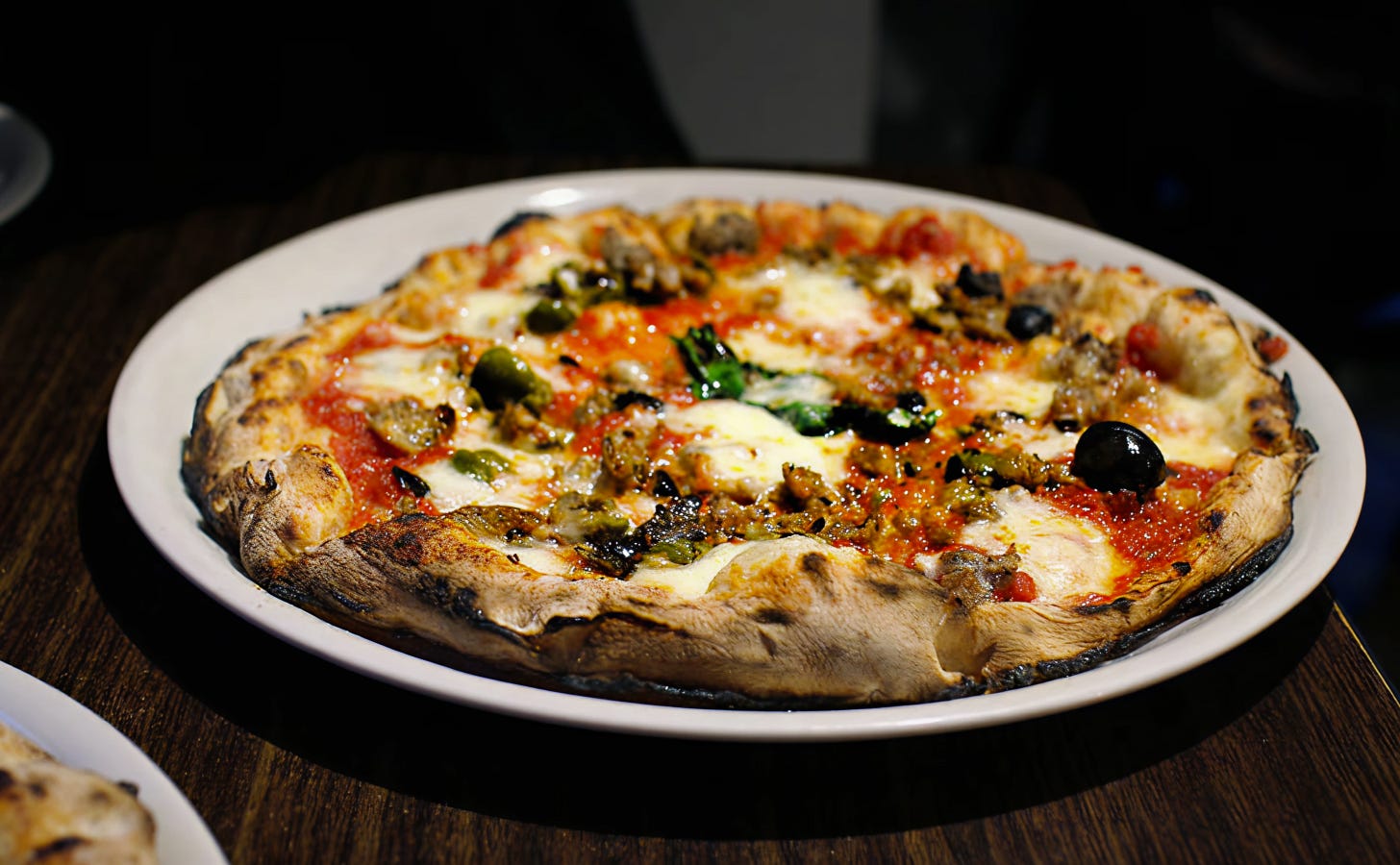
Tokyo Comes to the East Village
New York, USA — This spring, Pizza Studio Tamaki opens its first U.S. location at 123 St. Marks Place, taking over the space formerly occupied by Moody Tongue Pizza. Chef Tsubasa Tamaki, whose Tokyo restaurants have held Bib Gourmand recognition in the Michelin Guide for five consecutive years, spent the better part of a decade developing what he calls Tokyo-Neapolitan pizza — dough fermented for 30 hours using a proprietary blend of Japanese and American wheat, fired at 480 degrees in a custom oven, then laid directly onto flaky sea salt on the oven floor. The result is a crust with what one attendee at February's sold-out pop-up described as a "whisper weight" — light, puffy, structurally precise. The concept shouldn't work. Neapolitan pizza is, to its purists, a sacred and untranslatable thing. What Tamaki has demonstrated is that deep respect for a tradition and rigorous reinvention of it are not opposites. New York, a city with strong opinions about its own pizza, is paying attention.
OBJECT OF NOTE
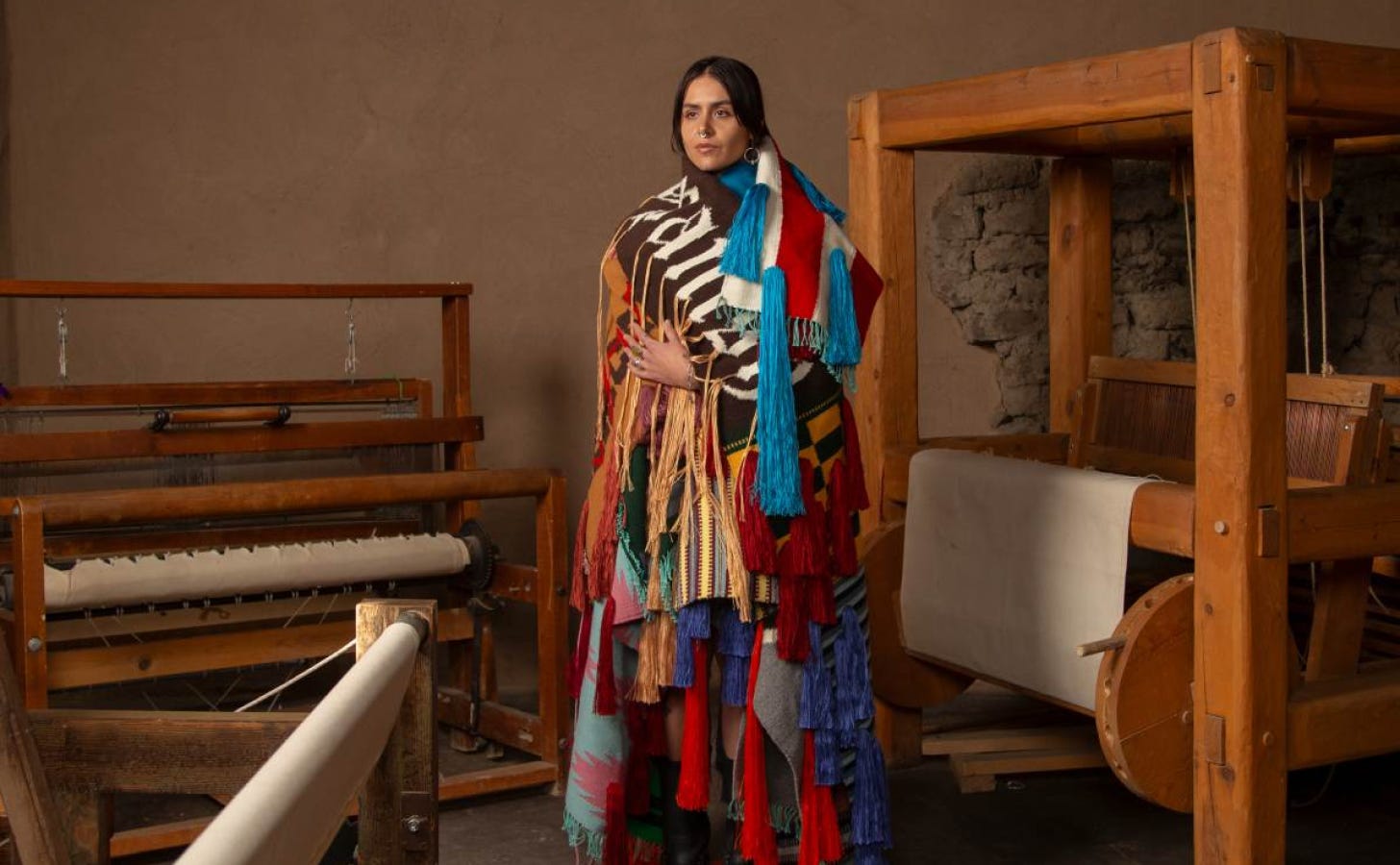
Two Heritages on a Single Loom
This February, the Cooper Hewitt Smithsonian Design Museum awarded its 2026 National Design Award for Fashion Design to Josh Tafoya, a one-man studio operating out of Taos, New Mexico. Tafoya draws on his Genízaro, Spanish, and Chicano heritage to make textiles that are simultaneously garments, cultural argument, and woven memory. He learned the loom from a paternal aunt; he learned to cut from years at luxury houses in New York. The resulting work — coarse ranch materials shaped into contemporary clothing, Rio Grande Valley weaving traditions fused with the visual grammar of rebellion — refuses to sit neatly in either world. Previous recipients of this award include Tom Ford, Rick Owens, and Willy Chavarria. Tafoya is currently a one-man shop producing custom pieces for a largely New Mexico clientele. That gap between the scale of the recognition and the intimacy of the operation is, for now, the most interesting thing about him.
TECH FORWARD
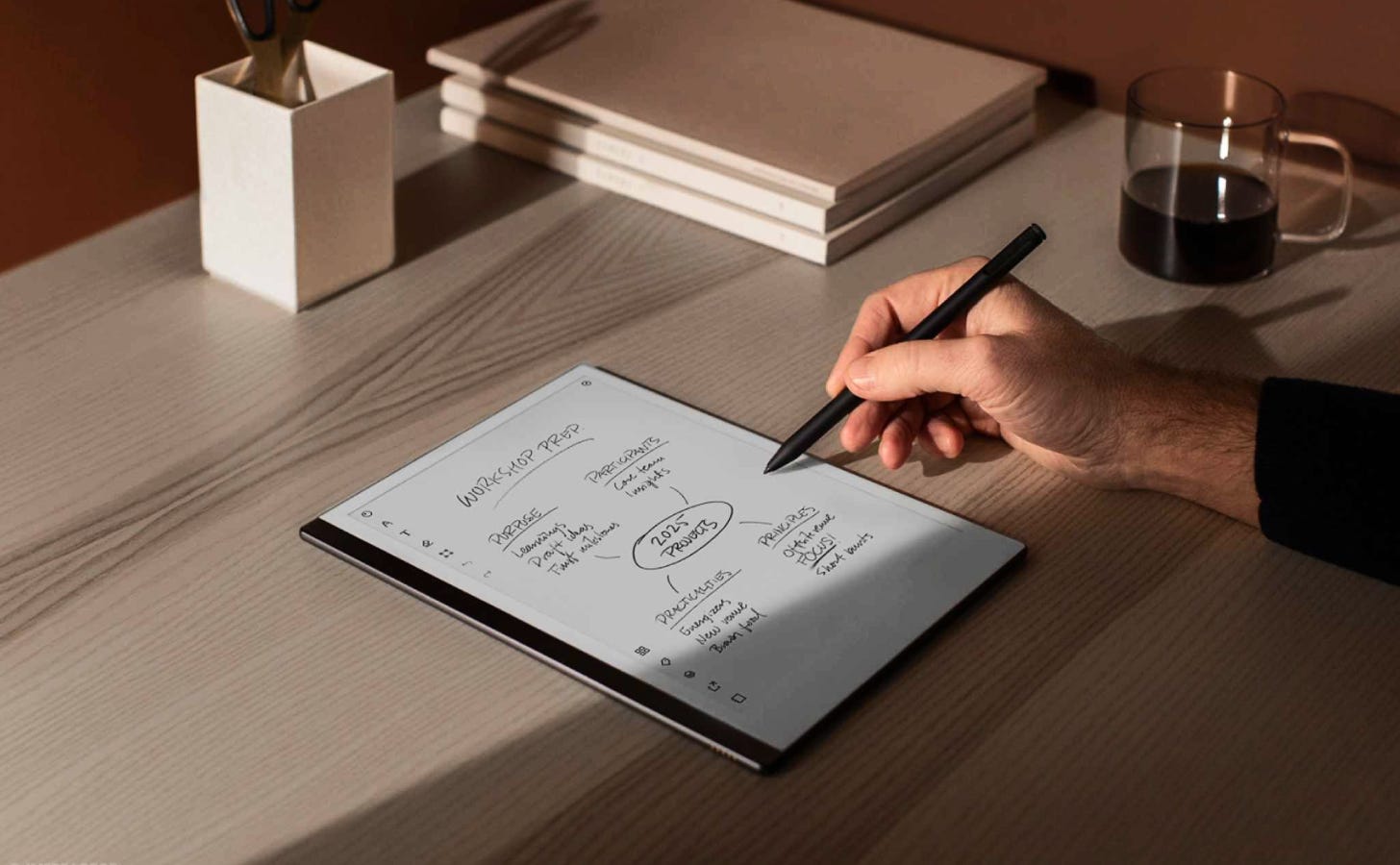
The Device That Wants to Disappear
The reMarkable Paper Pro is not a new product, but its cultural moment has arrived. In a year when CES 2026 was widely read as the industry's pivot from attention-maximising to attention-respecting technology, the reMarkable sits at the philosophical centre of the shift: a writing and reading tablet with no email, no notifications, no social feed, and no web browser. It does one thing — note-taking and document reading on an e-ink display that genuinely resembles paper — and it does it without apology. The Paper Pro adds a colour display to the formula, which sounds like a feature addition but functions more like a design argument: that the device's restraint is a considered position, not a technical limitation. In a category crowded with products asking for more of your time, this one is built around giving it back.
LIVING WELL
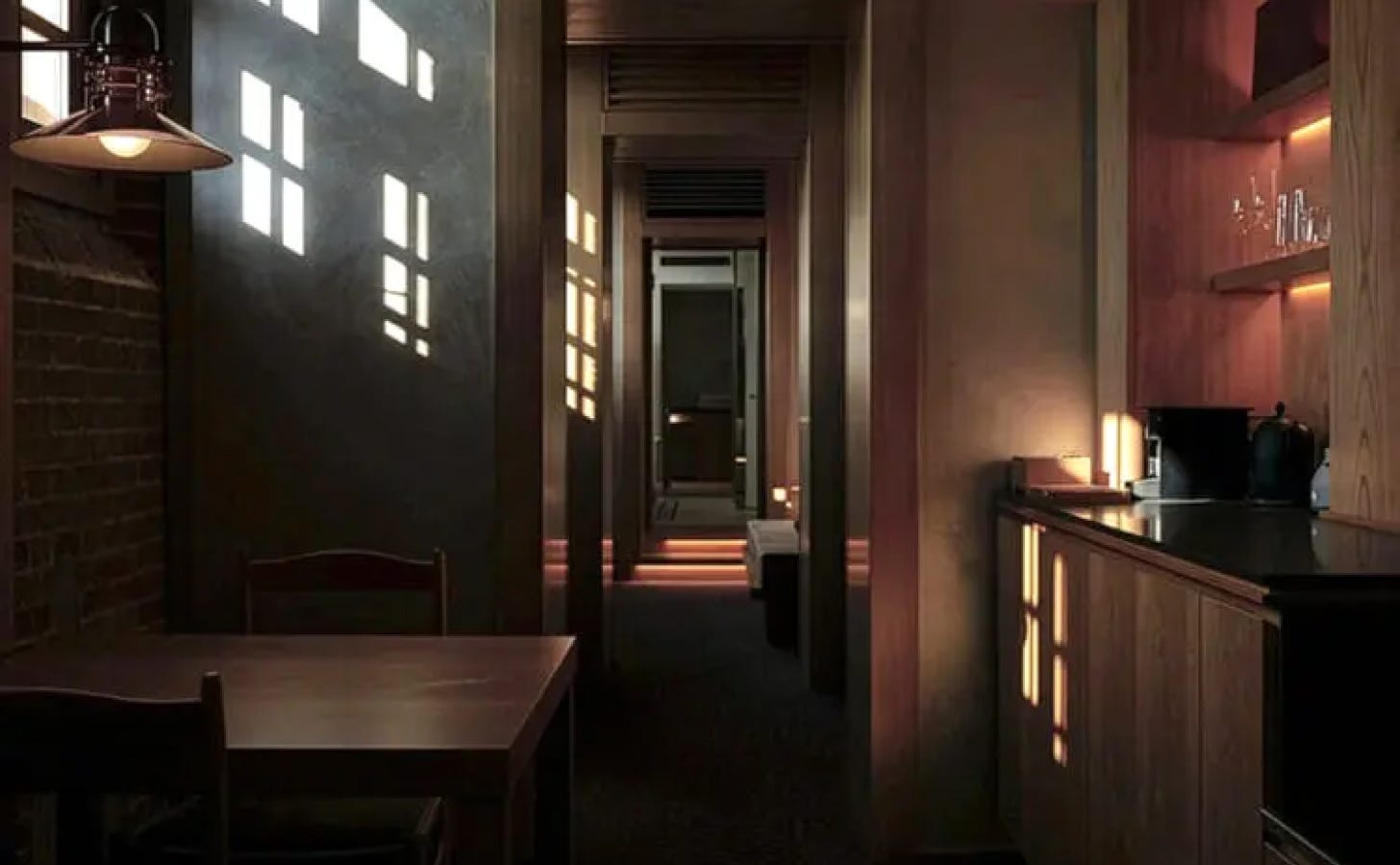
The Prison That Became a Sanctuary
In June, Hoshinoya Nara Prison opens inside the former Nara Prison, a red-brick Meiji-era complex completed in 1908 and now a designated Important Cultural Property of Japan. It is the only surviving structure among the Meiji government's five great prisons, designed by architect Keijiro Yamashita with a radial cellblock layout borrowed from the Pennsylvania System — a Western penal philosophy transplanted into a country in the middle of remaking itself. Hoshino Resorts has converted the cells into 48 suites — each assembled from between nine and eleven former solitary confinement rooms — with wood panelling, textiles, and subdued lighting introduced against the original brick. A Japanese-French restaurant will operate in the former prison wing. The Nara Prison Museum opens to the public in April, ahead of the hotel. The concept, which frames isolation as an invitation to contemplation, is either the most fitting use of the building imaginable or a profound act of reinvention. Probably both.
QUOTE OF THE WEEK
"A foreign country is not designed to make you comfortable. It is designed to make its own people comfortable."
— Clifton Fadiman, Any Number Can Play, 1957
CLOSING
Until next Sunday—Notice more.