

Weekly Index No. 036
On the new monumentality, structural stewardship, and the era of the elevated city.

OPENING FRAME
The narrative of the global city is shifting from the temporary to the perennial. After a decade defined by the "pop-up" and the "digital-first," we are witnessing a return to heavy stone, permanent cultural anchors, and architecture that demands physical presence. We are entering an era of New Monumentality—not as an exercise in ego, but as a commitment to the long-term stewardship of our shared urban centers.
SIGNAL OF THE WEEK
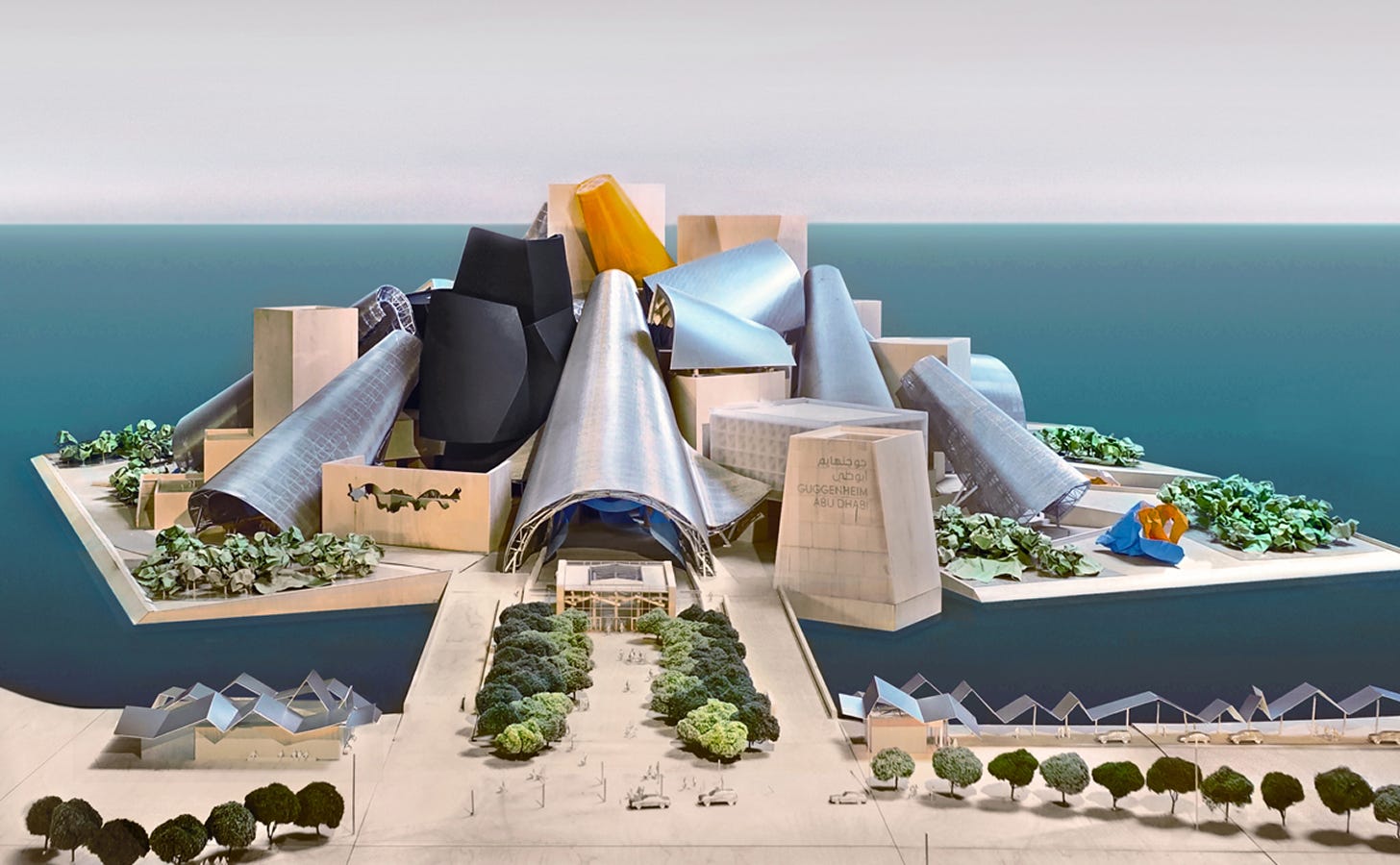
The Museum as Anchor
Strategy reaches its zenith this spring as the Saadiyat Cultural District in Abu Dhabi enters its final, most ambitious phase. With the Zayed National Museum now open (as of late 2025) and the Guggenheim Abu Dhabi nearing its official June 2026 debut, the focus has moved beyond destination architecture. The shift is toward civilizational soft power—using massive, permanent infrastructure to dictate the global cultural conversation for the next century.
→ The Brief: A pivot from the Bilbao Effect (architecture for tourism) to Cultural Sovereignty (architecture for legacy). Cities are no longer building for the next season; they are building for the next millennium.
OBJECT OF NOTE
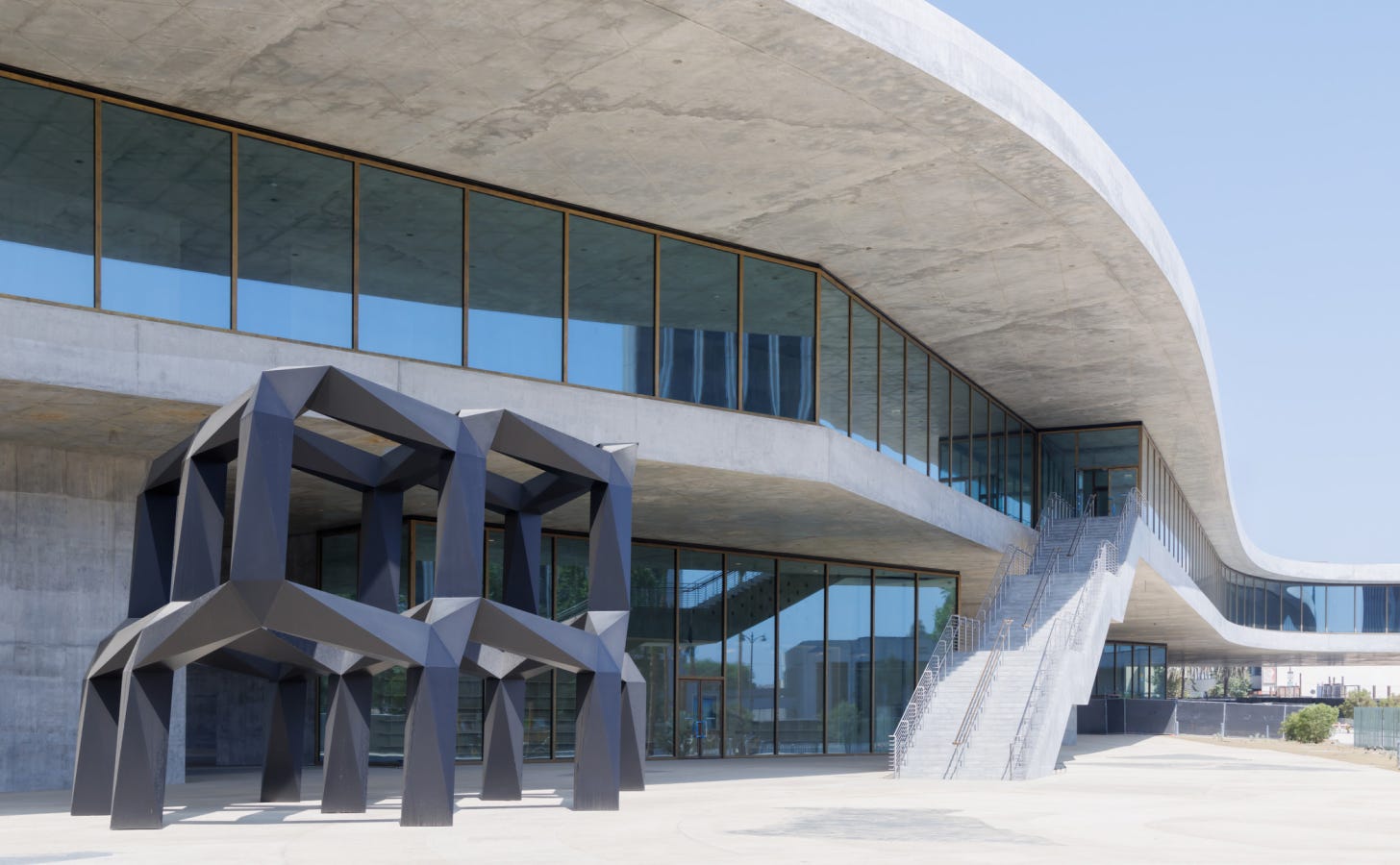
The Geffen Gallery Monolith
At the Los Angeles County Museum of Art (LACMA), the newly completed David Geffen Galleries, designed by Peter Zumthor, stand as a masterclass in material honesty. Suspended on massive concrete columns that house stairs and elevators, the building is a 900-foot-long horizontal gesture that spans Wilshire Boulevard. Eschewing traditional museum hierarchies, the structure uses floor-to-ceiling glass and sand-blasted concrete to create a non-prescriptive flow. It is a rare example of a high-spec luxury space that feels both ethereal and immovably grounded.
TECH FORWARD
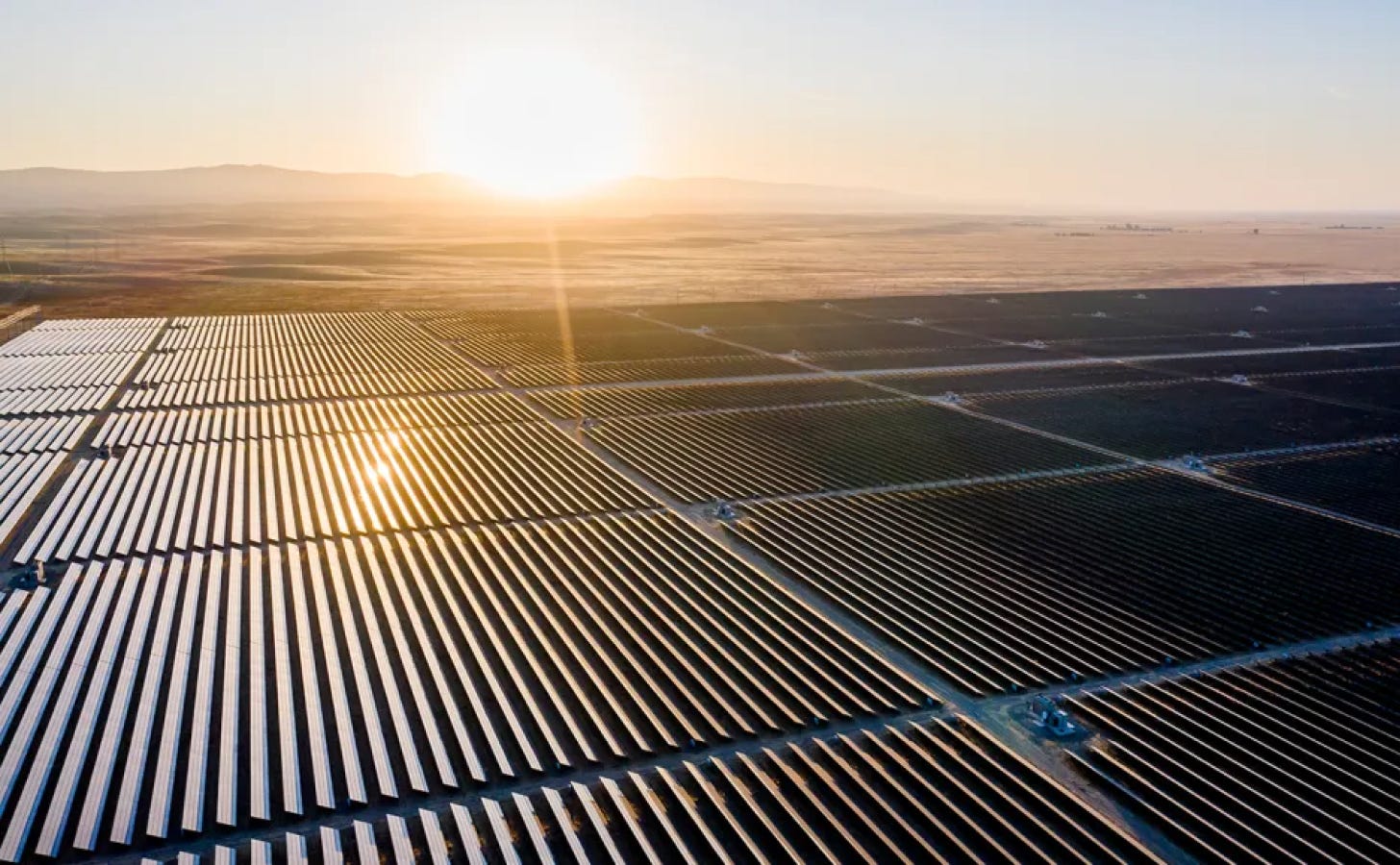
Organic Photovoltaic Integration
In a breakthrough from the University of Cambridge (published late 2025), researchers have successfully stabilized a "single-material" organic solar cell that utilizes a hidden quantum effect to mimic inorganic metals. Unlike the bulky silicon panels of the past, these thin-film organic molecules can be integrated directly into the "skin" of the new monumental buildings we see today. It marks the transition of solar power from a modular add-on to a structural material, allowing the glass and stone of our cities to harvest energy without compromising aesthetic purity.
LIVING WELL
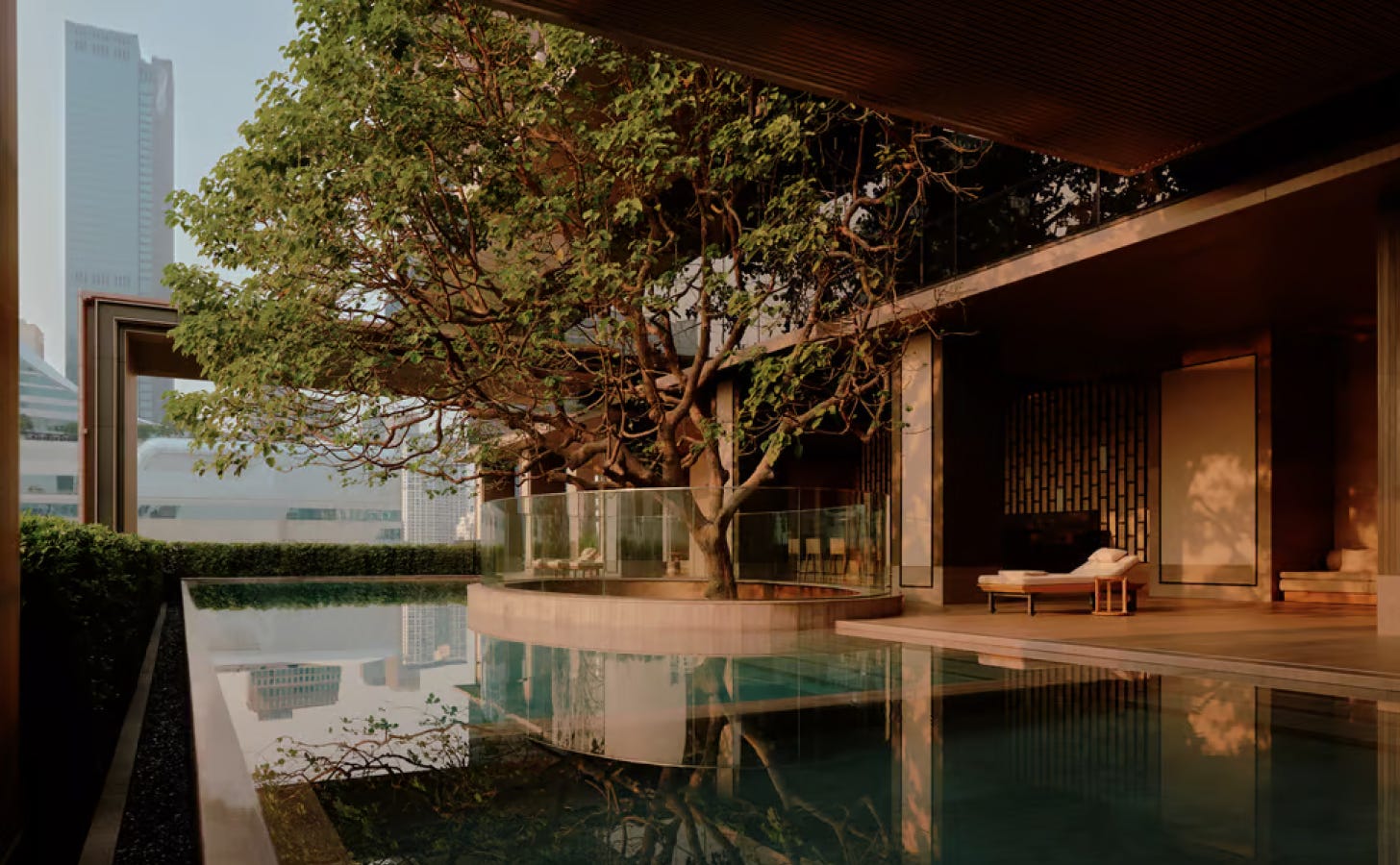
Aman Nai Lert, Bangkok
If the new monumentality has a residential equivalent, it is Aman Nai Lert. Nestled in the historic eight-acre Nai Lert Park, this Jean-Michel Gathy-designed sanctuary is a study in vertical tranquility. While the rest of Bangkok roars in concrete and glass, this tower utilizes a muted palette of charcoal greys, light creams, and Thai supergenti stone. The centerpiece—a 100-year-old Sompong tree integrated into the 9th-floor outdoor pool—exemplifies the brand’s considered approach to heritage: preserving the old-growth forest while building a pinnacle of modern nomadic luxury.
QUOTE OF THE WEEK
“Architecture is not primarily about either a message or a symbol, but an envelope and background for life... a sensitive container for the rhythm of footsteps on the floor.”
— Peter Zumthor, on the philosophy behind the LACMA expansion.
CLOSING
Until next Sunday—Notice more.