

Weekly Index No. 035
On the beauty of resistance and the return of tactile consequence.

OPENING FRAME
In our pursuit of the frictionless, we have accidentally optimized away the soul of our environments. The smooth, the haptic-less, and the automated have rendered much of our daily life a series of ghostly interactions. In early 2026, we are witnessing a pivot toward Intentional Friction. This is the reintroduction of the physical world—the realization that a door with a heavy, cold brass handle offers a more profound transition than a motion sensor ever could. We are moving toward an era of material intelligence, where the goal is not to make life easier, but to make it more felt.
SIGNAL OF THE WEEK
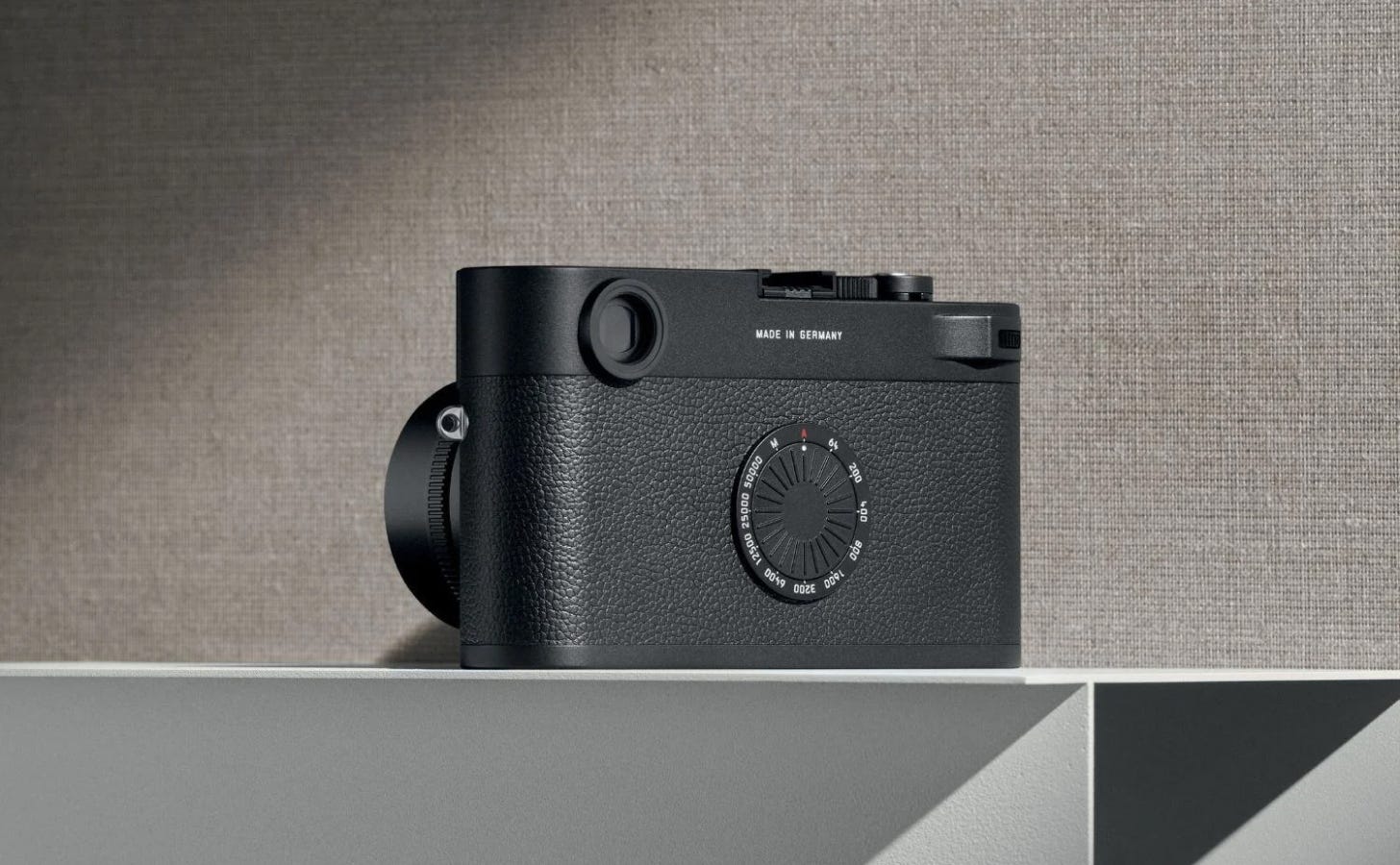
The D-Dial Resurgence
A significant signal in high-end consumer electronics is the removal of the rear LCD screen on flagship cameras, most notably perfected by the Leica M11-D. By replacing a digital menu with a physical ISO command dial, the manufacturer introduces friction into the photographic process. You cannot see the image until it is downloaded. This forced delay—this tactile resistance—is being adopted by boutique audio brands like Linn, who are returning to weighted, physical potentiometers to combat the scroll fatigue of 2025.
OBJECT OF NOTE
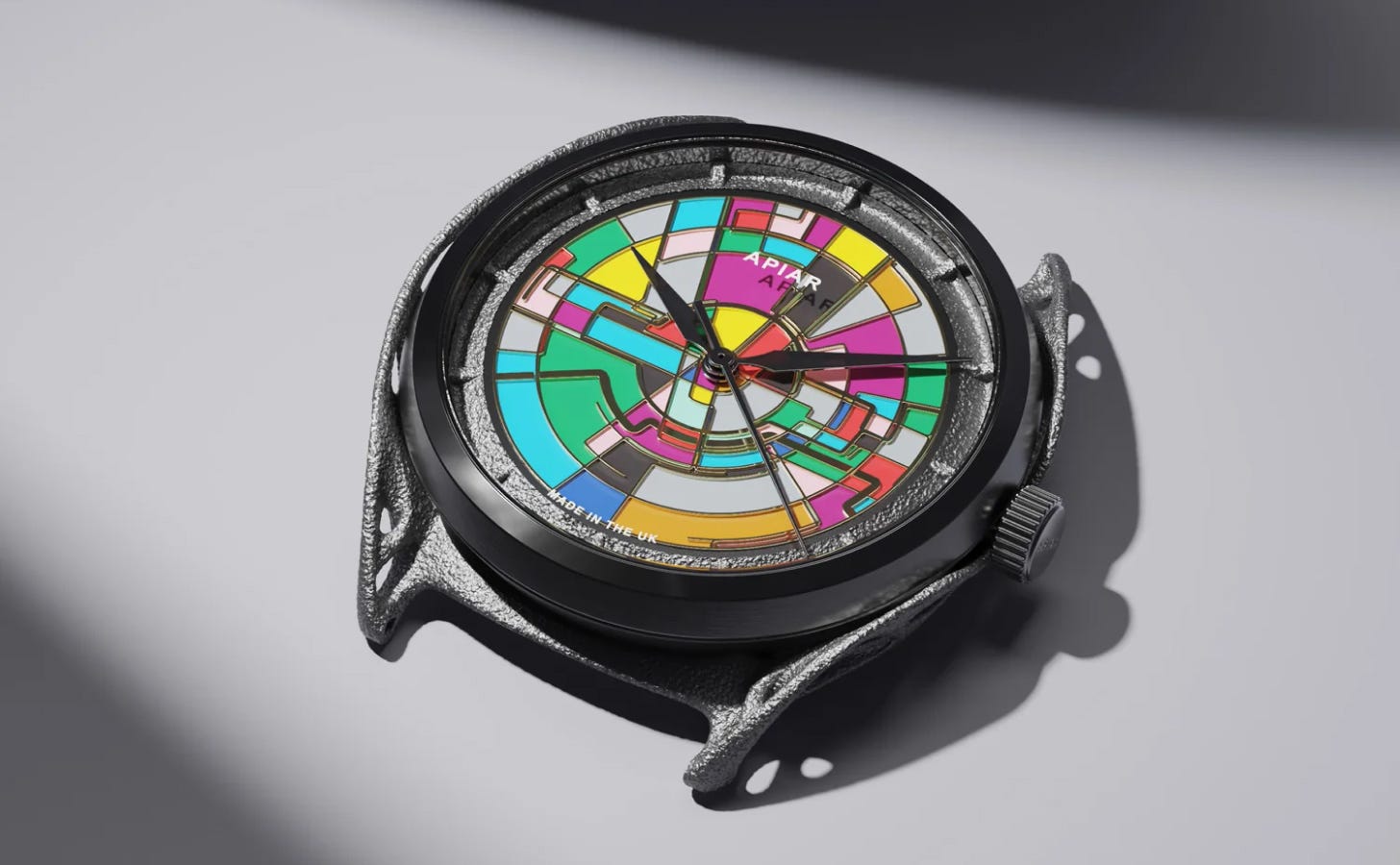
The APIAR Gen 1.1
The Apiar Gen 1.1 is a masterclass in stewardship and additive manufacturing. Produced in the UK, it features a case 3D-printed from Grade 5 Titanium powder. Unlike mass-produced luxury watches, the Gen 1.1 retains a complex, lattice-like internal structure that is impossible to achieve through traditional milling. It requires manual winding—a deliberate, daily ritual of mechanical engagement. Its aesthetic is raw and as-printed, celebrating the material intelligence of the 2026 manufacturing frontier rather than hiding it behind a mirror polish.
TECH FORWARD
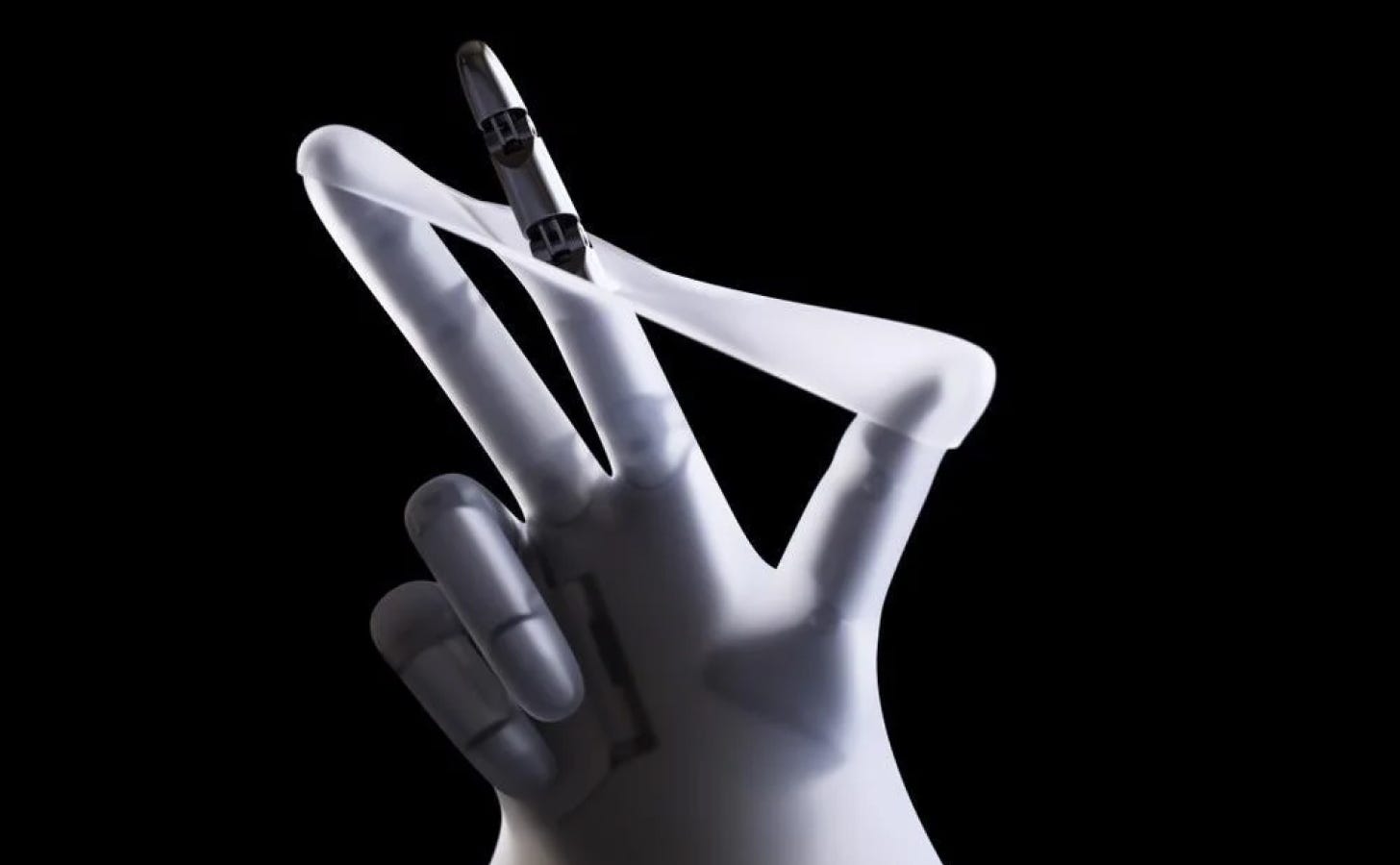
Soft Actuation via Electro-Active Polymers
The frontier of Deep Tech has moved beyond the screen and into the realm of Soft Robotics. Researchers at ETH Zürich have successfully demonstrated soft actuators using electro-active polymers (EAPs) that mimic the "friction" and elasticity of biological muscle. Unlike the jerky, electric motors of the past, these systems allow for "compliant" robotics—machines that can feel resistance and adjust their grip accordingly. This is a foundational breakthrough for robotic-assisted surgery and delicate material handling, where the machine must understand the tactile consequence of its own strength.
LIVING WELL
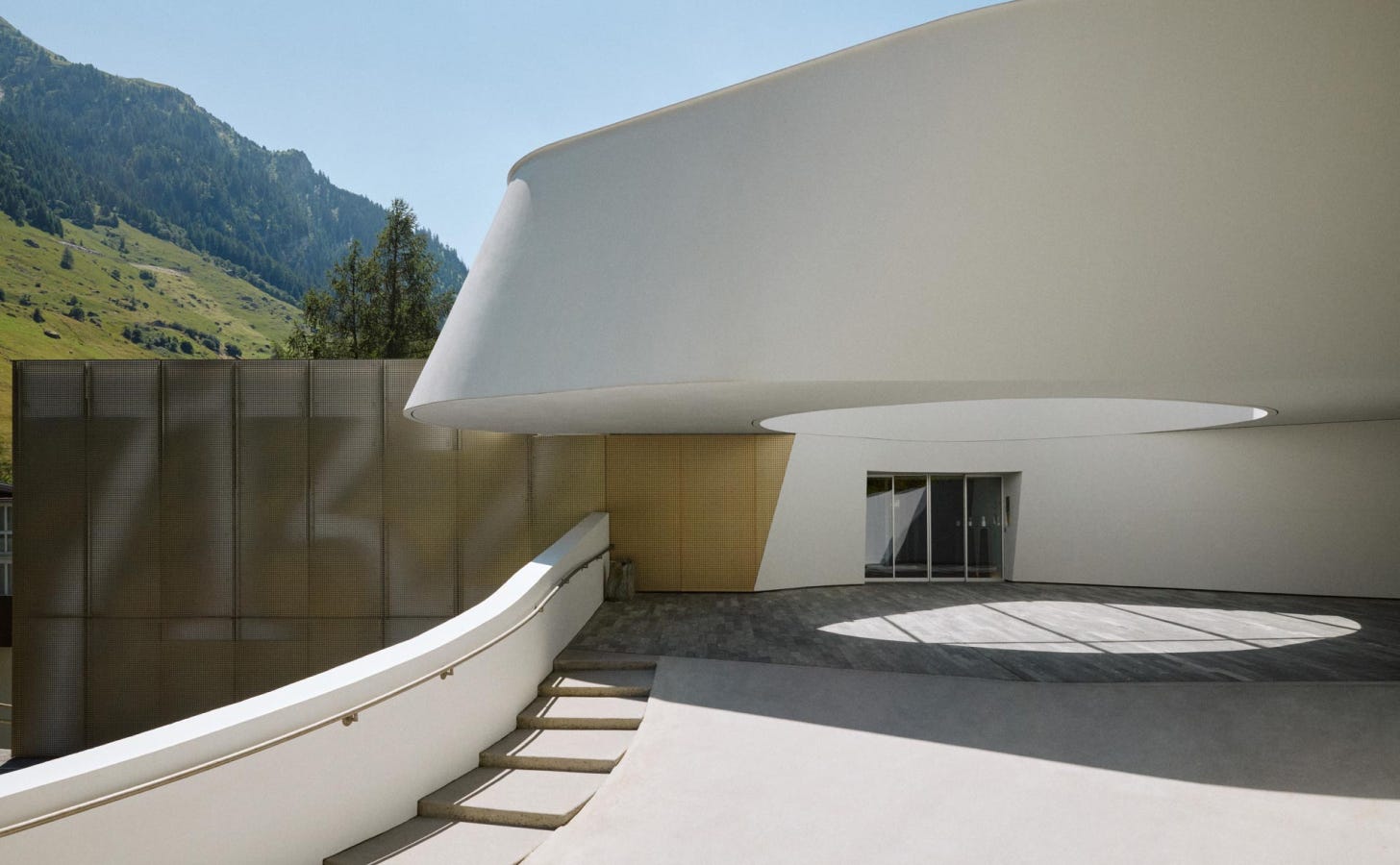
The 7132 Hotel, Vals
For a high-spec cultural experience rooted in Intentional Friction, one must return to the 7132 Hotel in Switzerland, specifically the Peter Zumthor-designed thermals. The experience is defined by the heavy, tactile resistance of 60,000 slabs of local Valser quartzite. There are no digital interfaces; the temperature is managed by the massive thermal inertia of the stone itself. It is a lesson in considered movement, where the sheer weight of the architecture forces a slower, more intentional pace of living.
QUOTE OF THE WEEK
“We must have a resistance to the materials we use. If there is no resistance, there is no soul in the work.”
— Kengo Kuma, Architect
CLOSING
Until next Sunday—Notice more.