

Weekly Index No. 004
On spatial sensitivity, restrained design, and things built to belong.

OPENING FRAME
When design knows where it is, it behaves differently. This week, we look at how form responds to place—in a storefront that listens to its building, a chair that adjusts to its owner, and a philosophy that treats timelessness not as trend, but responsibility.
SIGNAL OF THE WEEK
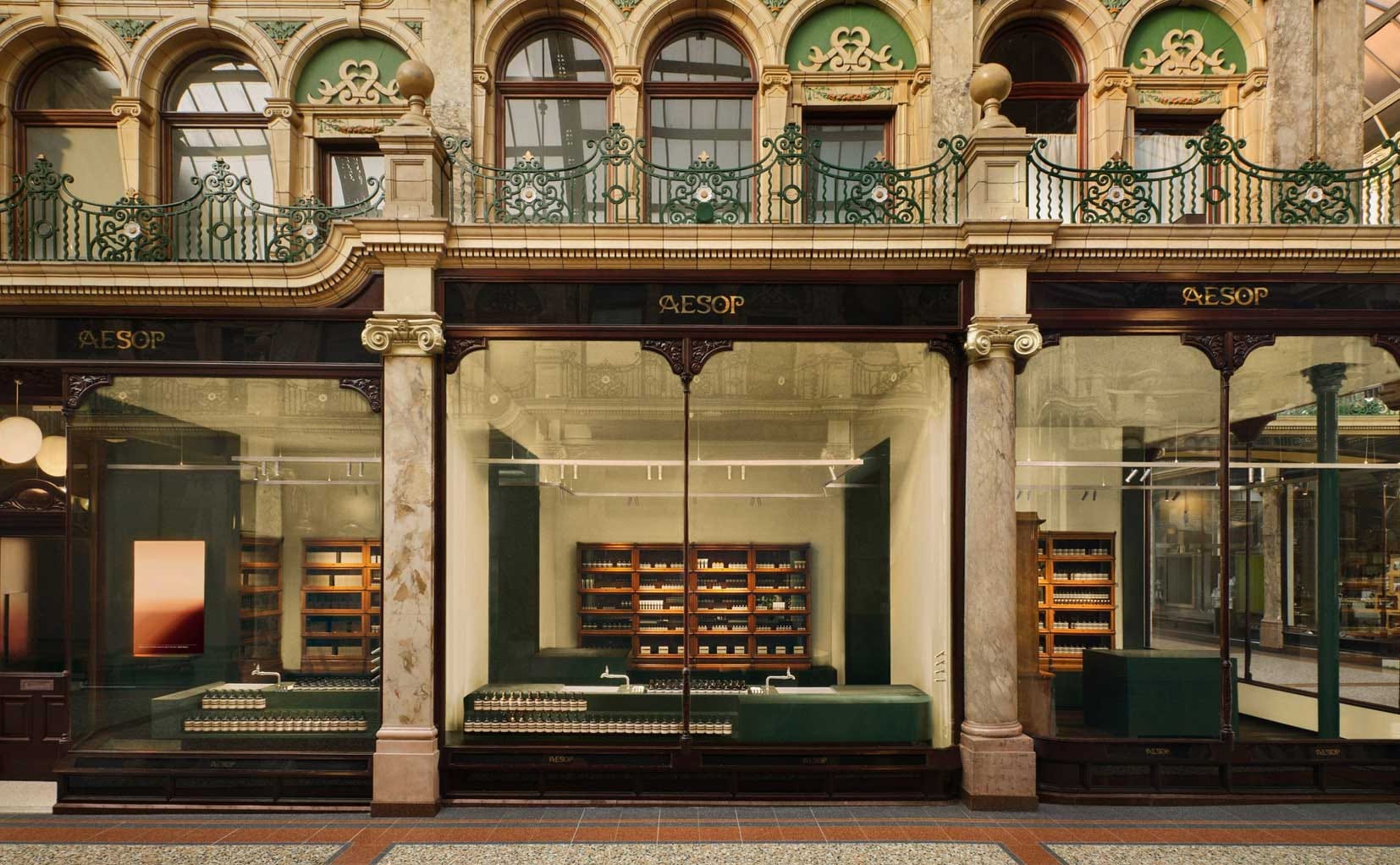
Aesop Opens in Leeds’ County Arcade
In its newest store, Aesop continues to elevate retail into architectural storytelling. Housed inside the ornate County Arcade in Leeds, the shop embraces the building’s Victorian detail while layering in muted tones, brass accents, and carved timber that references Yorkshire’s material heritage. As always with Aesop, the design doesn’t impose—it converses. The brand’s truest luxury? Its sense of place.
OBJECT OF NOTE
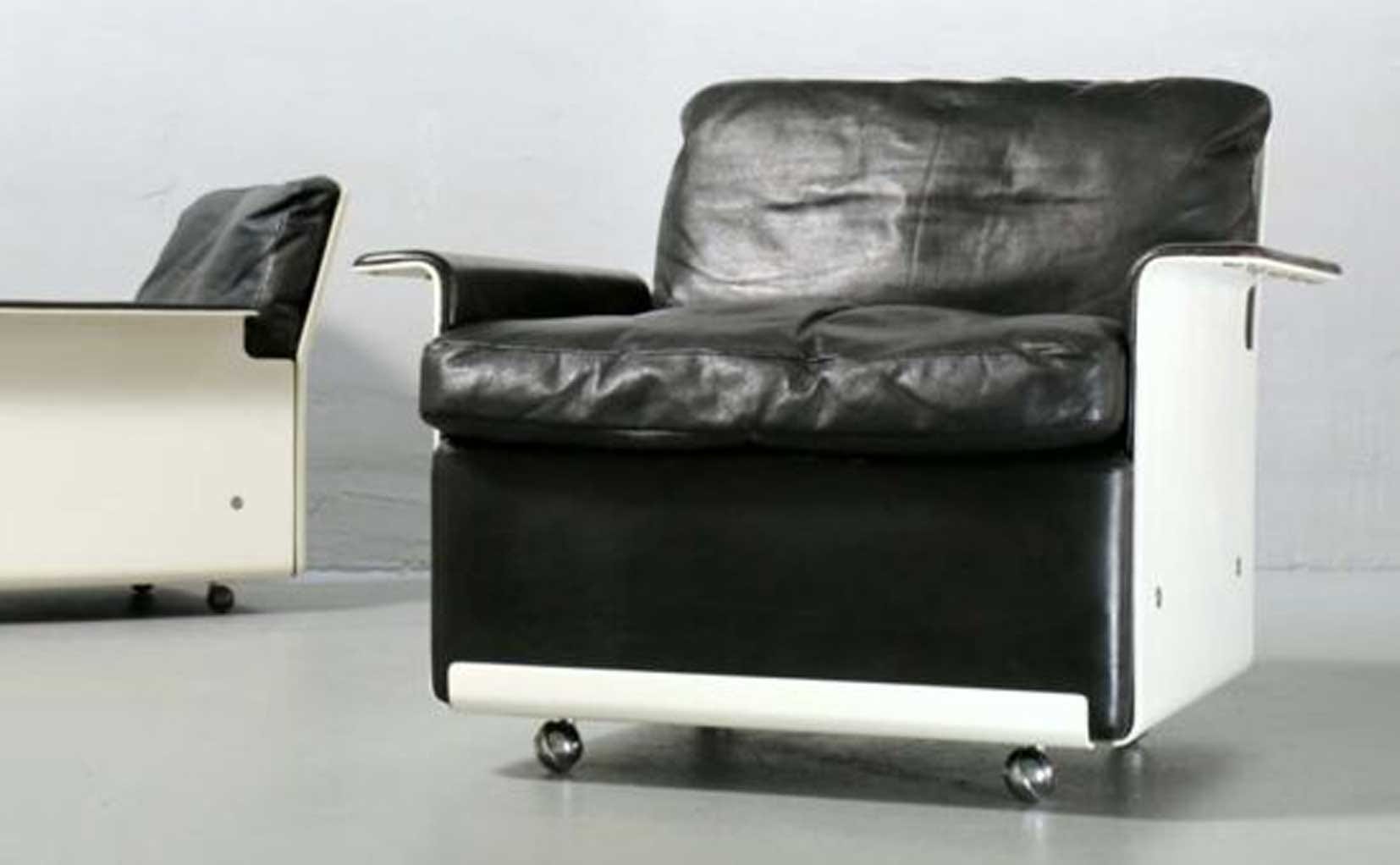
Vitsœ 620 Chair Programme
Originally designed by Dieter Rams in 1962 and still produced today, the 620 Chair is less a seat and more a modular system—one that ages, adapts, and refines itself over time. In black or natural leather with polished aluminum detailing, it embodies Rams’ philosophy of “as little design as possible.” It doesn’t shout for your attention—it earns it. Slowly, and for life.
LIVING WELL
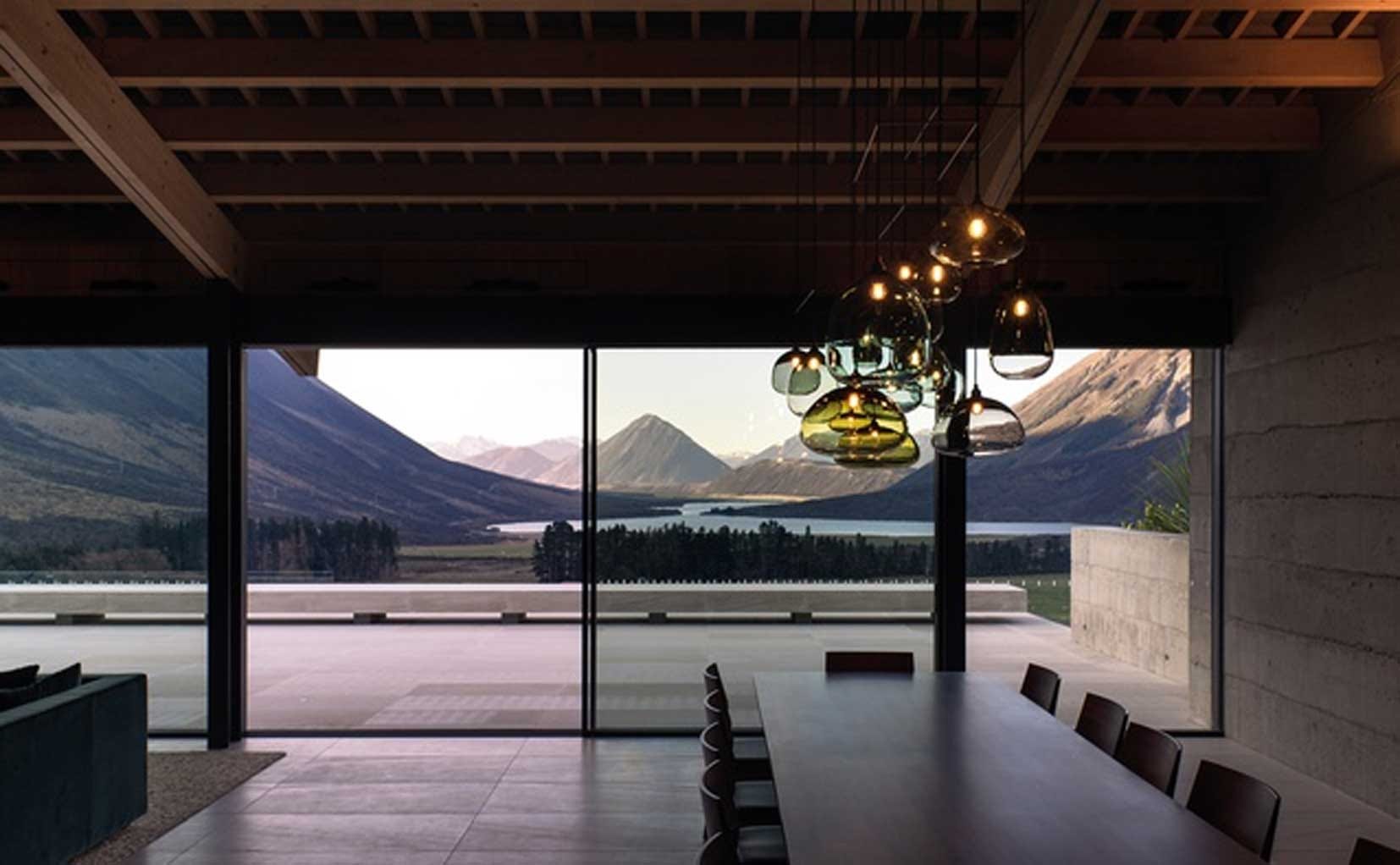
Flock Hill—New Zealand
A remote lodge nestled in New Zealand’s Southern Alps, Flock Hill is a case study in architectural subtlety. Conceived by Warren and Mahoney, the design sits low and quiet in the landscape—weathered timber, unpolished concrete, wool textures. The luxury here isn’t what’s added—it’s what’s left alone.
QUOTE OF THE WEEK
“To create something timeless, you have to think outside of time.”
—Rick Rubin
CLOSING
Until next Sunday—Notice more.